
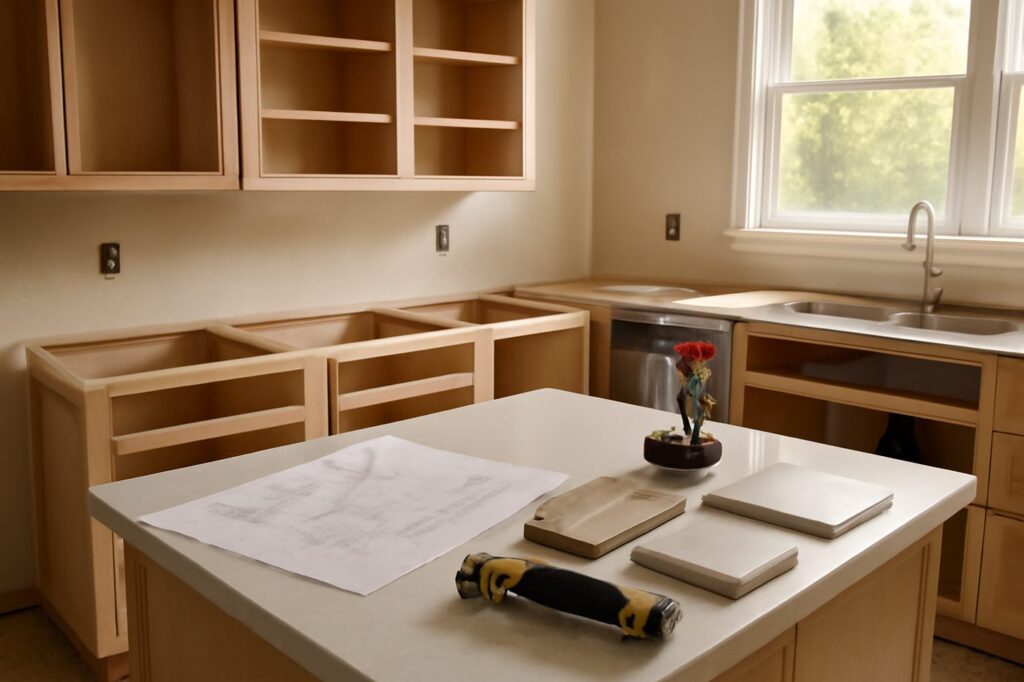
Remodels often start with excitement and end with sticker shock. The difference is usually planning: a realistic budget up front and firm rules for changes and negotiations keep projects on track. We’ll show practical templates, clear contingency rules, and negotiation tactics you can use on any remodel—kitchen, bath, addition, or whole-house refresh.
1. Start with clear goals and scope
Before you collect bids, define what success looks like. Vague goals become vague budgets. Use these steps:
- Write a one-paragraph scope: which rooms, what systems (HVAC, plumbing, electrical), and desired finish level (budget, mid-range, high-end).
- Prioritize must-haves versus nice-to-haves so you can trim without losing core functionality.
- Decide the timeline—faster work often costs more; a winter remodel may save money on contractors’ calendars.
2. Build a detailed line-item budget
Line-item budgets reduce surprises. Break costs into materials, labor, permits, site protection, and allowances. Use realistic unit costs for large items and allowances for uncertain finishes.
Starter budget template (step-by-step)
- List major work areas (kitchen, bath, floors, paint, systems).
- Under each area, add line items: demolition, framing, electrical, plumbing, HVAC, cabinetry, countertops, fixtures, labor, cleanup.
- Assign a cost to each line—use contractor quotes, supplier price lists, or local averages.
- Sum subtotals to get your base construction cost.
- Add soft costs: permit fees, design fees, insurance, temporary housing if needed.
How to estimate costs
- Get at least three written bids for each major trade or the entire job.
- Break bids into labor and materials—this exposes where to negotiate.
- Use local supplier prices for big-ticket items (appliances, cabinets, countertops).
| Category | Typical % of Budget | Example ($50,000 remodel) |
|---|---|---|
| Construction (labor & materials) | 55%–70% | $30,000 |
| Fixtures & finishes | 15%–25% | $9,000 |
| Permits & design | 5%–10% | $3,000 |
| Contingency | 10%–20% | $5,000 |
| Site protection & cleanup | 1%–3% | $1,000 |
3. Set contingency and financing rules
Contingency is not optional—it’s your financial shock absorber. Use two simple rules:
- Project contingency: set 10%–20% of the base construction cost. Use about 10% for cosmetic remodels and 15%–20% for older homes or structural work.
- Design contingency: set 3%–5% for choices like finishes or fixtures that may rise when you make final selections.
How to deploy the contingency:
- Use contingency only for unforeseen conditions (hidden rot, unpermitted work, code upgrades) or approved upgrades you didn’t budget.
- Require contractor documentation (photos, written scope change) before paying contingency funds.
- If contingency is unused at completion, reallocate it to reduce loan principal or improve a finish.
4. Negotiation tips that save real money
Negotiating well is about clarity and leverage, not lowballing professionals. Try these approaches:
- Get multiple bids and a complete scope in writing. Comparing apples to apples lets you see where contractors padded prices.
- Ask for a price breakdown: labor hours, material costs, subcontractor fees, overhead, and profit. Negotiate on overhead and profit only after discussing materials and labor.
- Use allowances for items not yet chosen (e.g., countertops allowance $3,000). Lock a fixed price once selections are made.
- Bundle work: offering more scope to one contractor can reduce per-unit overhead compared with multiple subcontractors.
- Negotiate payment schedule: withhold final 5%–10% until final inspection and punch-list completion. Avoid large upfront payments—limit deposits to what’s needed to order long-lead items.
- Be flexible on timing: if a contractor has an open slot, they may offer a discount for immediate start.
When to push and when to accept
- Push on price or alternatives for non-structural items (trim profiles, paint brands, flooring mix).
- Accept necessary costs for safety, code compliance, and quality work (electrical upgrades, structural repairs). Skimping here risks higher future costs.
5. Track spending and manage change orders
Track expenses weekly and treat every change as a formal change order. A simple process prevents scope creep and disputes.
- Create a live budget spreadsheet with committed costs (contracts signed), estimates, and actual spending.
- Require written change orders that list the work, cost, and schedule impact before work begins.
- Approve changes by priority: emergency fixes get immediate approval; aesthetic changes wait for consensus during scheduled check-ins.
- Hold a weekly 15-minute check-in with your contractor to review progress, pending decisions, and any upcoming purchases.
6. Safety, permits, and hiring pros (important)
Some work should only be done by licensed professionals. For safety and legal reasons:
- Hire licensed contractors for electrical, gas, plumbing, and structural work—DIY or unlicensed work can create hazards and fail inspections.
- Pull permits when required. Permit fees are part of the budget and protect you by forcing inspections that catch problems early.
- When contractors encounter hazardous materials (asbestos, lead paint), demand certified abatement—do not try to remove hazardous materials yourself.
Safety note: Turning off power or gas is hazardous. Always use a licensed electrician or plumber for work involving service panels, gas lines, or main shutoffs.
Conclusion
Realistic remodeling budgets come from clear scopes, detailed line items, sensible contingency rules, and disciplined change management. Use the templates and negotiation tips above to compare bids, protect your contingency, and keep the project moving without surprises. With planning and transparent communication, a remodel can upgrade your home—and your peace of mind.